
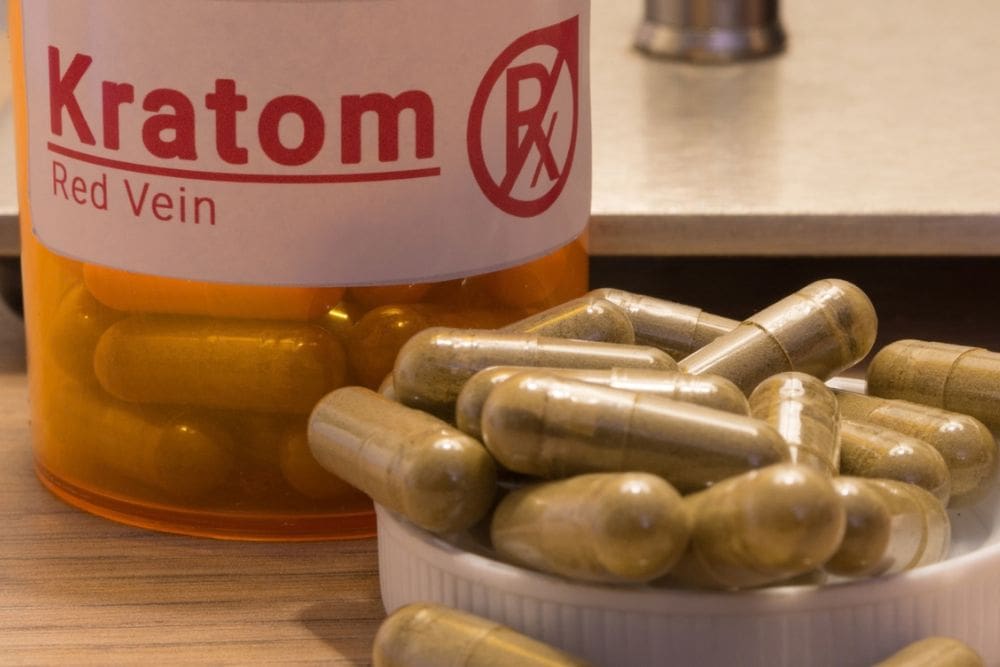
Kratom has gained significant attention in recent years, with proponents touting its natural origins and alleged benefits. However, beneath the surface lies a growing concern about the drug’s potential risks and addictive properties. While Kratom has been used for centuries in traditional medicine, its rise in popularity in the United States has sparked debates over its safety and regulation.
Understanding what Kratom is, how it is used, and the dangers it poses is essential for anyone considering its use or encountering it in their community.
Kratom, scientifically known as Mitragyna speciosa, is a tropical tree native to Southeast Asia, particularly Thailand, Indonesia, Malaysia, and Papua New Guinea. Its leaves contain psychoactive compounds, most notably mitragynine and 7-hydroxymitragynine, which interact with the brain’s opioid receptors. Kratom has been used as a natural remedy for fatigue, pain relief, and to boost energy. The leaves can be chewed, brewed into teas, or ground into powders to extract their effects. While Kratom’s historical use may suggest medicinal potential, its unregulated consumption and widespread availability in modern markets have led to unintended consequences.
Why Kratom Is Dangerous
Kratom is often marketed as a safe, herbal alternative to prescription painkillers or as a tool for managing opioid withdrawal. However, it is far from safe. One of the main concerns with Kratom is its potential for dependency and addiction. Regular use can lead to tolerance, requiring higher doses to achieve the desired effects. At high doses, Kratom can cause sedation, respiratory depression, and even death.
Furthermore, because it is often sold in unregulated markets, users have no way of knowing the purity or potency of the product they are taking. Kratom’s accessibility has also contributed to its misuse, particularly among individuals seeking to self-medicate for chronic pain or withdrawal symptoms, leading to further health complications.
Signs and Symptoms of Kratom Addiction
Signs of Kratom addiction can manifest in various ways, including physical, psychological, and behavioral symptoms.
- Physically, users may experience nausea, sweating, tremors, and constipation.
- Psychological indicators include irritability, anxiety, mood swings, and depression, especially when trying to reduce or stop use.
- Behavioral signs of addiction often involve neglecting responsibilities, withdrawing from social interactions, or using Kratom despite negative consequences.
As dependency grows, individuals may spend significant amounts of time and resources acquiring and consuming the drug, further disrupting their lives.
How Kratom Is Used and the Forms It Comes In
Kratom is consumed in several forms, making it appealing to a wide range of users. The most common forms include powders, capsules, and teas.
- Kratom powder is made from dried, crushed leaves and can be mixed with liquids or consumed directly.
- Capsules offer a more convenient and discreet way to take the drug.
- Kratom tea is a traditional preparation that remains popular.
- In some cases, users smoke or chew the leaves directly.
The variety of Kratom’s forms contributes to its accessibility and ease of use, but it also raises concerns about how quickly someone can escalate their consumption.
Street Names for Kratom
Like many drugs, Kratom is often referred to by a variety of street names, making it harder to recognize in casual conversation. Common street names for Kratom include:
- Thang
- Kakuam
- Thom
- Ketum
- Biak
These names are often used to hide the drug’s identity, particularly among younger users. Being aware of these aliases is important for parents, educators, and healthcare providers to identify potential misuse.
Where Is Kratom Sold?
People obtain kratom from a variety of sources, both in person and online. It is often sold in smoke shops, vape stores, convenience stores, gas stations, and some specialty herbal or wellness shops. Kratom is also widely available through internet retailers, where it may be marketed as a powder, capsule, extract, tea, or shot.
Because it is sold in so many settings and is sometimes labeled as a natural or herbal product, some people may assume it is safe. However, availability does not mean it is risk-free. The quality, purity, and strength of kratom products can vary significantly, and some products may be contaminated or mixed with other substances, which can increase the risk of harmful effects.
Are You or Someone You Care About Struggling With Drugs or Alcohol?
If you answered yes, you are not alone. Anyone can be affected by substance addiction. At Anabranch Recovery Center in Terre Haute, Indiana, we can help. Our compassionate professionals will provide the support, resources, and tools needed to help you regain control of your life. Take the first step to a happier, healthier life. Contact us today.