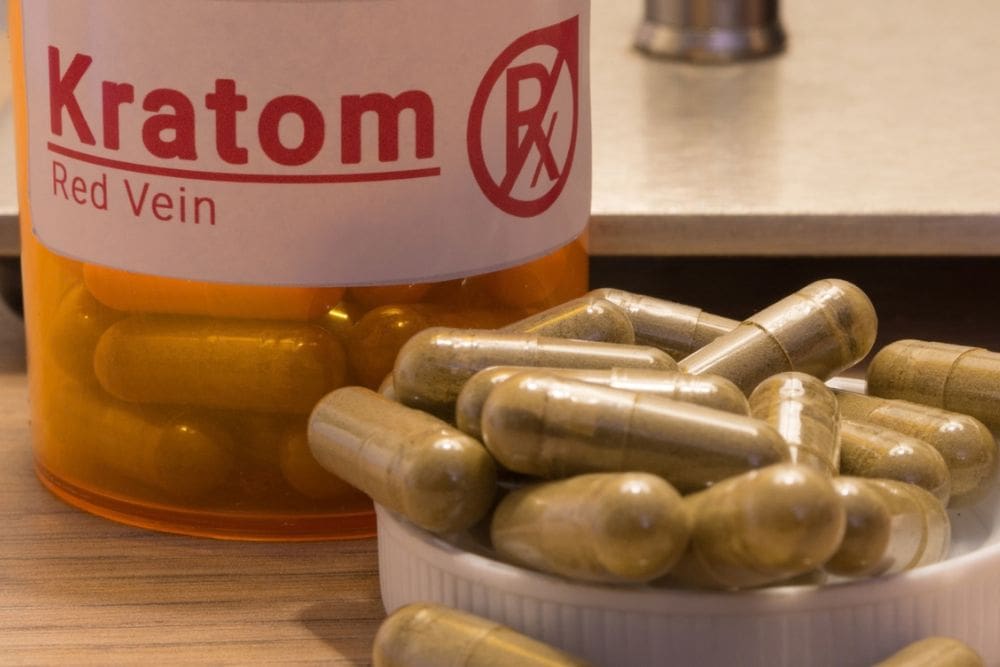
Kratom has gained significant attention in recent years, with proponents touting its natural origins and alleged benefits. However, beneath the surface lies a growing concern about the drug’s potential risks and addictive properties. While Kratom has been used for centuries in traditional medicine, its rise in popularity in the United States has sparked debates over...Read More
Technology has transformed how people approach substance addiction recovery, offering tools that fit into the palm of your hand. Mobile apps provide accessible, on-demand support, connecting individuals to resources, tracking their progress, and even offering community encouragement. Whether you are seeking help to maintain sobriety or looking to strengthen your recovery journey, many apps are...Read More
Alcohol use disorder (AUD), commonly known as alcoholism, is a chronic condition that affects millions of people in the United States and around the world. It is more than just occasional overindulgence. It is a complex disorder that can significantly impact physical health, mental well-being, relationships, and quality of life. Understanding AUD is crucial in...Read More
A growth mindset is a belief that abilities, behaviors, and outcomes can be improved through effort and learning. It is one of the most powerful tools in addiction recovery. Adopting this mindset can make the difference between staying stuck in old patterns and achieving lasting transformation. Seven Ways Having a Growth Mindset Helps in...Read More
Every September, two important observances take place in the United States: National Recovery Month and Suicide Prevention Month. These campaigns shine a light on the often overlooked topics of addiction recovery and mental health, serving as a way for communities, individuals, and organizations to provide support, raise awareness, and fight stigma. With millions of lives...Read More
Substance addiction affects both the brain and behavior, leaving individuals feeling trapped in a cycle of dependency. However, neuroplasticity offers hope for those seeking recovery. Neuroplasticity is the brain’s remarkable ability to change and adapt, and plays a crucial role in healing from addiction. By understanding how it works, individuals can better understand the potential...Read More
Addiction is a complex and often misunderstood condition that impacts millions of people worldwide. Despite growing awareness about substance use disorders, misinformation continues to circulate, making it harder for those affected to seek help and for others to understand the nature of the issue. Myths about addiction can perpetuate stigma, discourage treatment, and create barriers...Read More
Substance addiction recovery is a journey that requires resilience, self-awareness, and a robust strategy for overcoming challenges. One of the most common hurdles in recovery is managing cravings, which are intense urges to use substances that the body and mind have become dependent on. Cravings are a natural part of the recovery process and stem...Read More
Substance addiction is one of the most pressing issues affecting millions of people around the world. While it is often viewed as a lack of willpower or a personal failure, the truth is far more complex. Addiction is deeply rooted in the brain’s chemistry and function, making it a medical condition rather than a moral...Read More
Cychlorphine is a synthetic opioid that has gotten significant attention due to its extreme potency and associated risks. As synthetic opioids continue adding to the ongoing opioid crisis, understanding substances like Cychlorphine is crucial. Its alarming potency, combined with the health dangers it poses, makes it a serious concern. What Are Synthetic Opioids? Synthetic...Read More